 By Admin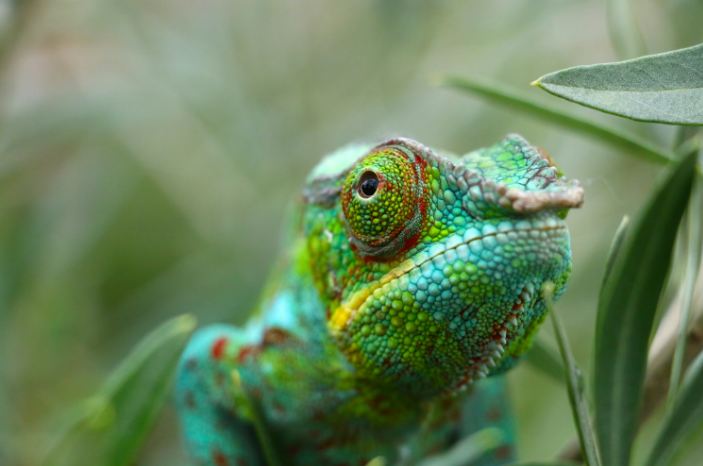
The name Chameleónovité is the scientific name for the extraordinary reptile family, chameleons. These extraordinary lizards are part of the Chamaeleonidae family and are renowned all over the world for their ability to change color, independently move their eyes, and shoot their tongues at incredible speed.
Chameleónovité are mostly found in Africa and the island of Madagascar. They are one of the most specialized reptiles in the entire animal kingdom. Their unusual yet stunning looks have captivated scientists, nature lovers, and pet enthusiasts for centuries.
In this comprehensive, SEO-optimized resource guide, we will cover everything you need to know about Chame leónovité, from their biology and behavior to habitat, diversity, pet care, and conservation.
1. What Are Chameleónovité?
Chame leónovité are arboreal lizards best known for their:
-
Color-changing skin
-
Independently rotating eyes
-
Prehensile tails
-
Zygodactyl feet (two toes forward, two backward)
-
Long projectile tongues
Unlike most reptiles, Chame leónovité have evolved highly specialized features that allow them to thrive in trees and shrubs.
There are over 200 recognized species within the Chamaeleonidae family, making Chameleónovité one of the most diverse reptile families in tropical ecosystems.
2. The Evolutionary History of Chameleónovité
It is thought that the Chameleónovité lineage appeared millions of years ago in Africa, before dispersing to Madagascar and southern Europe/Asia.
Fossil records indicate that there were ancient ancestors from the Paleogene era. Currently, Madagascar supports almost half of the Chame leónovité species, making it a biodiversity hotspot.
The secret to the success of the Chame leónovité species is their ability to adapt to an arboreal lifestyle. Their feet and tails are well adapted to allow them to move along tree branches with ease, thus avoiding competition from ground-dwelling reptiles.
3. How Do Chameleónovité Change Color?
One of the most misunderstood facts about Chame leónovité is color change. Contrary to popular belief, they do not change color simply to match their surroundings.
Color changes occur due to:
-
Mood (stress, aggression, mating)
-
Temperature regulation
-
Communication
-
Light exposure
Their skin contains specialized cells called chromatophores and iridophores that reflect light differently based on structural changes. This creates the rapid color shifts that make Chameleónovité so famous.
4. Unique Physical Features of Chameleónovité
Chameleónovité possess several features unmatched in the reptile world:
4.1 Independent Eye Movement
Each eye can rotate 180 degrees independently, allowing a full 360-degree field of vision.
4.2 Ballistic Tongue
Their tongue can extend up to twice their body length and strikes prey in milliseconds.
4.3 Prehensile Tail
The tail acts like a fifth limb, wrapping around branches for stability.
4.4 Zygodactyl Feet
Their toes are fused into opposing groups, providing a strong grip on narrow branches.
5. Major Species of Chameleónovité
Here are some of the most well-known Chame leónovité species:
🦎 Panther chameleon
Native to Madagascar, famous for vivid red, blue, and green coloration.
🦎 Veiled chameleon
Originates from Yemen and Saudi Arabia, commonly kept as a pet.
🦎 Parson’s chameleon
One of the largest Chameleónovité species in the world.
🦎 Pygmy chameleon
Tiny leaf-litter species found in Madagascar.
Each species demonstrates how adaptable and diverse Chame leónovité can be.
6. Habitat and Distribution of Chameleónovité
Chame leónovité are primarily found in:
-
Tropical rainforests
-
Savannas
-
Mountain forests
-
Semi-arid regions
Most species inhabit Africa and Madagascar, though some exist in southern Europe and parts of Asia.
Madagascar alone hosts nearly 50% of all Chameleónovité species, making it the global epicenter of chameleon biodiversity.
7. Diet and Hunting Techniques
Chameleónovité are insectivores, feeding mainly on:
-
Crickets
-
Grasshoppers
-
Beetles
-
Flies
-
Occasionally small vertebrates (large species)
Their hunting process involves slow stalking followed by rapid tongue projection. Their sticky tongue tip ensures prey rarely escapes.
This ballistic feeding system is one of the fastest movements in the animal kingdom.
8. Reproduction in Chameleónovité
Most Chame leónovité species lay eggs, although some give birth to live young.
Mating rituals involve:
-
Bright color displays
-
Body inflation
-
Head bobbing
Females lay eggs in soil, and incubation can last several months depending on temperature.
9. Lifespan of Chameleónovité
Lifespan varies by species:
-
Small species: 2–3 years
-
Medium species: 4–6 years
-
Larger species: Up to 10 years in captivity
Proper care significantly influences longevity, especially in pet Chame leónovité.
10. Chameleónovité as Pets
Many reptile enthusiasts keep Chame leónovité as pets, especially the Veiled and Panther species.
Essential care requirements include:
-
Vertical enclosures
-
Proper UVB lighting
-
Humidity control
-
Live plants
-
Gut-loaded insects
Chameleónovité are not beginner-friendly reptiles. They require specific environmental conditions to remain healthy.
11. Common Health Issues in Chameleónovité
Common problems include:
-
Metabolic bone disease (from lack of UVB)
-
Dehydration
-
Respiratory infections
-
Parasites
Proper husbandry is essential for preventing illness.
12. Conservation Status of Chameleónovité
Many Chame leónovité species face threats such as:
-
Deforestation
-
Illegal pet trade
-
Climate change
Madagascar’s habitat destruction has placed numerous species at risk. Conservation programs aim to protect these extraordinary reptiles and their ecosystems.
13. Cultural Significance of Chameleónovité
Chame leónovité have appeared in:
-
Folklore
-
Mythology
-
Symbolism of adaptability
-
Popular culture and animation
They symbolize change, patience, and transformation across many societies.
14. Fun Facts About Chameleónovité
-
They don’t change color just for camouflage.
-
Their tongue accelerates faster than a fighter jet.
-
Some species are smaller than a human thumb.
-
They can see ultraviolet light.
-
Their eyes can focus independently.
Chame leónovité truly redefine reptile uniqueness.
15. Why Chameleónovité Matter in Ecosystems
Chameleónovité are useful in regulating the insect population and are food for birds and mammals. The presence of Chame leónovité shows that the ecosystem is in good condition.
If Chame leónovité were to go extinct, it would affect the balance of nature, especially in Madagascar and the
Final Thoughts on Chameleónovité
The Chame leónovité are some of the most fascinating reptiles that exist on the planet. The evolutionary traits of these reptiles, which include the ability to change color, have independent eyes, use ballistic tongues, and are tree-dwelling, make them truly fascinating creatures.
Whether it is in their natural habitats, in scientific laboratories, or in responsible pet ownership, the Chame leónovité fascinate scientists and reptile enthusiasts alike.
As habitat destruction rises, it is more important than ever that the Chame leónovité be protected. By learning more about the biology and role of these creatures in the environment, we can appreciate why they are so fascinating and why they should be a focus of conservation efforts.
Frequently Asked Questions About Chameleónovité
Q1: How many species of Chameleónovité exist?
Over 200 species are currently recognized.
Q2: Where do most Chameleónovité live?
Primarily in Africa and Madagascar.
Q3: Do Chameleónovité change color to blend in?
Not primarily — they change color mainly for communication and temperature regulation.
Q4: Are Chameleónovité good pets?
They can be, but require advanced care knowledge.
Q5: What makes Chameleónovité unique?
Their independent eyes, projectile tongue, and rapid color change.